Get a free quote
Thanks for getting in touch
How to Create Client Testimonial Videos That Actually Convert
You’ve probably seen hundreds of testimonial videos. The ones where someone sits in front of a camera and says nice things about a product or service. Most of them don’t work.
The difference between a testimonial video that gets skipped and one that changes minds comes down to authenticity. Prospective clients can spot a scripted performance a mile away.
They’re looking for real experiences from real people who faced the same problems they’re facing now.
This article explains how to create testimonial videos that feel genuine, tell a clear story, and give your audience the confidence to take the next step. We’ll cover everything from choosing the right clients to ask, through to the questions that get honest answers.
Why Client Testimonials Work Better on Video
Written testimonials have their place, but video adds something you can’t fake: human connection.
When someone watches another person describe their experience, they’re reading facial expressions, hearing tone of voice, and picking up on genuine emotion. It’s why a 90-second video testimonial often does more to build trust than a page full of five-star reviews.
Video testimonials also let you show the outcome. If you’ve helped a client launch a training programme, you can include footage of their team using it. If you’ve created a brand film, you can show clips of the finished work whilst the client explains the impact it’s had. Context matters.
The best testimonial videos don’t feel like adverts. They feel like recommendations from someone who’s been in the same position as your prospective client.
Choosing the Right Clients to Feature
Not every satisfied client makes a good testimonial subject. You’re looking for people who can articulate their experience clearly and who represent the audience you’re trying to reach.
Start by identifying clients who’ve had measurable results. That might be increased engagement, faster onboarding, improved internal communication, or stronger brand awareness. Specific outcomes make for specific stories, and specific stories are always more convincing than vague praise.
Consider your target audience. If you’re trying to reach HR managers in healthcare, a testimonial from an HR manager in healthcare will carry more weight than one from a tech startup CEO. People trust others who share their challenges.
It also helps if the client is naturally articulate and comfortable on camera. You can work with quieter personalities, but the filming process will take longer and require more guidance.
The Questions That Get Honest Answers
The wrong questions produce generic answers. Ask someone “What did you think of working with us?” and you’ll get “It was great.” Ask them “What was happening in your organisation before you started this project?” and you’ll get a story.
Good testimonial questions focus on three areas: the situation before, the experience during, and the impact after.
Before questions might include:
- What problem were you trying to solve?
- What had you tried before?
- What made you decide to do something about it now?
During questions could be:
- What surprised you about the process?
- How did it compare to what you expected?
- What made the difference?
After questions focus on outcomes:
- What’s changed since the project finished?
- How have your team or audience responded?
- What would you say to someone considering doing something similar?
The best interviews feel like conversations, not interrogations. Leave space for people to talk. The unscripted moments, where they pause and think about what really mattered, often produce the most powerful content.
Setting Up for Authentic Footage
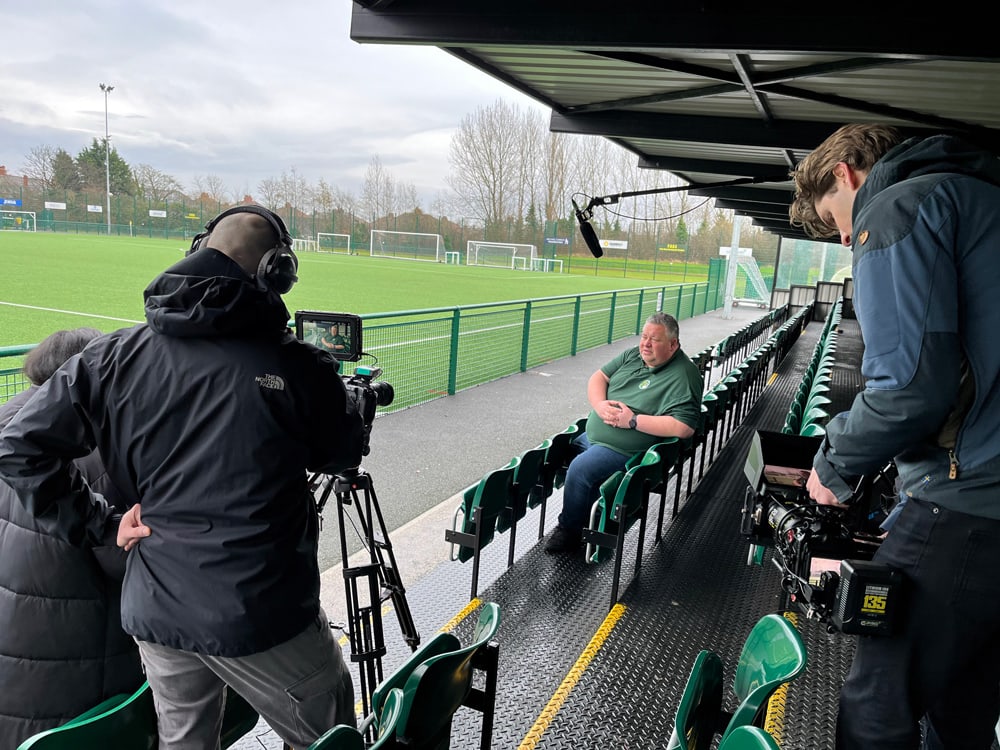
Technical quality matters, but authenticity matters more. A slightly imperfect shot of someone speaking genuinely will always outperform a polished studio setup where they’re clearly reading from a script.
Film in a location that makes sense for the story. If the testimonial is about a training video you produced, film at their workplace where the training happens. If it’s about a brand film, their office or a location connected to their business adds context and credibility.
Natural light and simple setups often work better than elaborate lighting rigs. You want the focus on the person and their words, not on showing off production values.
Frame the shot so the subject looks comfortable. A medium close-up, with enough room to see their gestures and expressions, feels more personal than a tight headshot or a wide shot where they’re lost in the frame.
Audio quality is non-negotiable. Invest in a decent microphone. People will forgive imperfect visuals, but they’ll click away from unclear audio.
Editing for Impact Without Losing Authenticity
The edit is where you shape the story, but you need to keep it real. Cut out the pauses, the false starts, and the tangents, but don’t rearrange what someone said to change the meaning.
Start with the strongest moment. That might be a specific result they achieved or a clear statement of the problem they faced. Hook the viewer in the first five seconds.
Structure the testimonial around a beginning, middle and end. What was wrong, what changed, what’s different now. This narrative structure makes it easier for viewers to follow and see themselves in the story.
Keep it short. A 60 to 90-second testimonial will get watched. A five-minute one probably won’t. If you have more good content than fits in 90 seconds, create multiple shorter videos rather than one long one.
Consider adding B-roll footage that illustrates what the client is talking about. If they mention their team using new training materials, show their team using them. Visual proof reinforces verbal claims.
Where and How to Use Testimonial Videos
A testimonial video sitting on a “Reviews” page won’t do much. Put it where people are making decisions.
Feature testimonials on service pages where prospective clients are evaluating whether your approach fits their needs. If someone’s reading about your training video services, show them a client talking about the training videos you made for them.
Use them in proposal presentations. When you’re pitching a new client, including a 60-second video from someone in their industry carries far more weight than a written case study.
Share them on LinkedIn and social media, but make sure the first few seconds work without sound. Many people scroll with audio off. Add captions.
Include them in follow-up emails to prospects who’ve enquired but not committed. Sometimes hearing from someone who was in their position is what tips the balance.
What This Means for You
Creating effective testimonial videos isn’t about expensive equipment or clever editing tricks. It’s about finding clients with clear stories, asking the right questions, and presenting their experiences honestly.
The testimonials that convert are the ones that feel like genuine recommendations, not rehearsed endorsements. When you get that balance right, you create content that does the selling for you.
Here’s what to focus on:
- Choose clients whose experience matches the audience you want to reach
- Ask questions about their situation, not just their satisfaction
- Film in natural settings with clear audio
- Edit for clarity but keep the authentic voice
- Place testimonials where decisions are being made, not just on a reviews page
Ready to Create Testimonials That Work?
Everything starts with a conversation. If you’re thinking about creating client testimonial videos that build trust and drive real results, we’d be happy to talk through what’s possible.
Get in touch for a free quote or just give us a call on 01962 870 408 for an informal chat about your project.
Let’s talk about your video project
Every successful video starts with a conversation.
Tell us what you’re trying to achieve, and we’ll help you shape the right approach.